Steam vs Dry Cleaning for Paddington Carpets: Which Wins?
Posted on 07/09/2026
If you live in Paddington, you already know carpets take a beating in ways that are oddly specific to London life: wet shoes after a sudden shower, station grit, coffee drips, pets, the occasional mystery mark, and the general wear of a busy home or flat. So, Steam vs Dry Cleaning for Paddington Carpets: Which Wins? is not just a neat comparison. It is a practical decision that affects cleanliness, drying time, fibre safety, and how long your carpet actually lasts.
The short answer? It depends on the carpet, the stain, and how quickly you need the room back. Steam cleaning usually wins for deep soil removal and refreshment. Dry cleaning can win for speed, convenience, and delicate situations. In real life, the "best" method is often the one that fits your carpet and your schedule, not the one that sounds more impressive.
Below, we'll break it down clearly so you can choose with confidence, whether you are in a compact W2 flat, managing a rental, or getting a property ready for a viewing. If you want a broader look at local carpet care services, you can also explore our carpet cleaning in Paddington page or read more on the Paddington cleaning blog.

Why Steam vs Dry Cleaning for Paddington Carpets: Which Wins? Matters
Paddington homes and businesses have a mix of carpet types, building styles, and traffic levels. That matters more than people realise. A carpet in a quiet top-floor flat near Praed Street is going to age differently from one in a family home, a short-let, or an office corridor with heavy footfall. Add stairs, limited ventilation, or a tight turnaround before guests arrive, and the choice between steam and dry cleaning starts to look very different.
Steam cleaning, also called hot water extraction, is typically chosen when the goal is deeper cleaning. It can remove embedded dirt, spills, and odours more effectively than a surface-level clean. Dry cleaning, on the other hand, is often chosen when speed matters, moisture must be kept low, or the carpet is more sensitive to water.
For Paddington residents, this matters because London living is usually a balancing act. You may need a carpet that looks presentable by evening. You may need to reduce disruption in a rented property. Or you may be dealing with a carpet that's simply too valuable to treat casually. Truth be told, a method that works brilliantly in one flat can be a poor fit in the next one.
It also matters for cost planning. If you're comparing options and want to understand local expectations, our guide on Paddington carpet cleaning prices is a useful companion read. It helps you judge the value of the method, not just the headline price.
How Steam vs Dry Cleaning for Paddington Carpets: Which Wins? Works
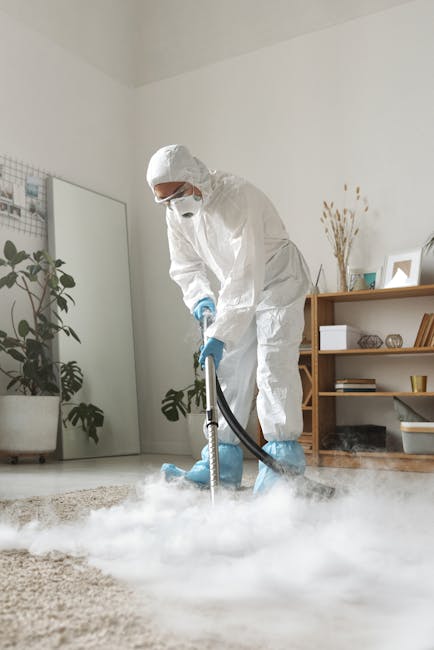
Let's keep this simple. Steam cleaning uses heat, cleaning solution, and extraction. A machine applies hot water and detergent into the carpet fibres, then pulls the moisture and loosened dirt back out. The result is a deeper flush through the pile. Despite the name, it is usually more about hot water than visible steam.
Dry cleaning uses far less water. Different systems exist, but the common idea is the same: a low-moisture compound or solvent helps loosen soil, which is then agitated and removed. Some methods rely on powder, bonnet pads, or specialised machines. The carpet dries much faster, which is a big advantage when access is limited or the room has to be used soon after.
In practical terms, steam cleaning usually feels more like a reset. Dry cleaning feels more like a fast refresh. And yes, there is a difference you can see and smell. Steam cleaning often leaves the room feeling thoroughly washed, while dry cleaning is more discreet and less disruptive.
If the carpet has a specific issue such as lingering damp, musty odour, or leak damage, you may want to compare your cleaning method with the problem first. We've covered moisture-related carpet issues in our Paddington guide to mould and leak carpet remedies, which is relevant if water has already got into the pile or underlay.
Key Benefits and Practical Advantages
Each method has a very different set of strengths. The winning choice depends on what you are trying to achieve.
Why steam cleaning often wins
- Better deep cleaning: It tends to remove more trapped dirt, dust, and residue from the fibres.
- Stronger stain response: It can be effective on many common household marks when handled correctly.
- Good for odour control: Useful where carpets have absorbed smells from pets, spills, or everyday use.
- Helpful for allergen reduction: A deeper rinse can be valuable in homes where dust build-up is a concern.
Why dry cleaning can win
- Fast drying: Often the main reason people choose it.
- Lower moisture risk: Better when you want to avoid over-wetting or extended drying.
- Convenient for busy properties: Handy in rentals, offices, or managed flats.
- Useful for delicate carpets: Sometimes the safer option for fibres that don't like too much water.
The phrase "wins" can be misleading if you use it too literally. A better way to think about it is this: steam cleaning usually wins on cleaning power, while dry cleaning often wins on speed and practicality. That's the honest version.
For deeper home hygiene beyond carpets, some readers also look at our deep cleaning in Paddington service page, especially when carpets are part of a larger spring refresh. If that sounds like your situation, spring cleaning in Paddington is another sensible next step.
Who This Is For and When It Makes Sense
If you are wondering which method suits your home, think about your current problem rather than the carpet in theory. That shift helps a lot.
Steam cleaning makes sense if you:
- have visible dirt in high-traffic areas
- need to remove a stale smell
- are dealing with food, drink, or pet-related marks
- want a more intensive clean before a tenancy changeover
- have robust synthetic carpet that can tolerate moisture and extraction
Dry cleaning makes sense if you:
- need minimal downtime
- have a room that must be back in use quickly
- are concerned about damp or ventilation
- have a more delicate carpet or a fibre blend that needs caution
- manage an office, short-let, or business where interruption is costly
There's a very common Paddington scenario: someone books a clean the day before guests arrive, then realises the only available window is a weekday morning. In that case, dry cleaning may be the more realistic option. But if the carpet has years of embedded soil and you actually want it to look better for the long term, steam cleaning will usually deliver more noticeable improvement.
If you're not sure where to start, our services overview gives a broader picture of how different cleaning types fit together. And for one-time refreshes, the one-off cleaning page may also be useful.
Step-by-Step Guidance
Here's a straightforward way to choose between the two methods without overthinking it.
- Check the carpet fibre. Synthetic carpets usually tolerate more moisture than some natural or delicate fibres. If you are not sure, err on the side of caution.
- Look at the soiling level. Light surface dust and general freshness needs are different from stubborn ground-in dirt.
- Think about the stain type. Oil, mud, drink spills, pet accidents, and old marks all behave differently. No magic wand, sadly.
- Consider drying time. If you have children, pets, guests, or a same-day deadline, moisture level becomes a major factor.
- Check the room environment. Poor airflow, cold weather, or limited access can slow drying and affect the result.
- Match the method to the goal. Deep clean? Usually steam. Fast refresh? Often dry.
- Test a discreet area if the carpet is fragile. This is especially sensible with older carpets or anything valuable.
A useful rule of thumb: if the carpet looks tired and dull rather than just slightly dusty, steam is often the better bet. If it looks okay but needs to be usable again quickly, dry cleaning may be the practical choice. Not glamorous, but accurate.
If you want a fast, local route to booking, our request a quote page is the easiest place to start. You can also contact us if you'd prefer to discuss the carpet first.
Expert Tips for Better Results
Good cleaning results are rarely about the machine alone. They come from prep, timing, and sensible judgement.
- Vacuum first, thoroughly. Loose grit can turn into muddy residue during cleaning if it is not removed.
- Spot-test unfamiliar fibres. A quick test in a hidden corner is worth the time.
- Tell the cleaner about stains honestly. Don't pretend the red wine spill is "just a little mark". It helps nobody.
- Give the carpet space to dry. Open windows if appropriate, use gentle airflow, and avoid heavy traffic too soon.
- Ask what method is being used. "Dry clean" can mean different systems, so clarity matters.
- Don't flood a carpet to chase a stain. Over-wetting can create bigger problems than the original mark.
One small practical observation: in winter, a carpet that looks dry on the surface can still hold moisture in the pile. You may notice that faint damp smell if you rush it. Give it time. A bit of patience saves a headache later.
If your carpet is part of a wider tenant handover, our end of tenancy cleaning in Paddington page may be useful too, especially when you need the whole property to look presentable, not just the floor covering.
Common Mistakes to Avoid
Most carpet problems after cleaning come from the wrong method, the wrong expectation, or the wrong follow-up. Here are the usual traps.
- Choosing steam because it sounds stronger. Stronger is not always safer or better for the specific carpet.
- Choosing dry cleaning because it is faster. Fast is great, but not if the carpet really needed deep extraction.
- Ignoring fibre type. Natural, synthetic, loop pile, and twist pile carpets behave differently.
- Expecting old stains to vanish completely. Some marks fade dramatically, some don't. That's reality, not failure.
- Cleaning too close to a move-out without buffer time. Drying delays can spoil an otherwise tidy plan.
- Using too much DIY product before professional cleaning. Over-treating often makes stains harder to lift.
Another easy mistake is forgetting the underlay. If the carpet has had a spill or leak, the visible surface may look okay while moisture sits underneath. That's where odour problems creep in. Sneaky little thing, really.
Tools, Resources and Recommendations
If you are comparing methods yourself, it helps to know what to look for in equipment and service quality.
Useful tools and service features
- Powerful vacuuming before treatment to remove loose soil
- Appropriate pre-spray or cleaning solution for the fibre and stain type
- Controlled extraction or low-moisture system matched to the carpet
- Gentle agitation tools that lift soil without damaging the pile
- Proper drying advice so you know when it is safe to use the room again
From a consumer point of view, the best resource is a clean explanation. You want someone to tell you why a method is being recommended, not just what they happen to use that day. If you are comparing quotes or want to understand what influences cost, the page on pricing and quotes is a sensible read.
For homes, you may also want broader help beyond carpets, especially if the rest of the property needs attention. Our domestic cleaning in Paddington and house cleaning pages can help you think about the bigger picture. If it's a workplace, then office cleaning in Paddington may be the more relevant route.
Law, Compliance, Standards, or Best Practice
For carpet cleaning, the key point is less about dramatic legal rules and more about safe, sensible working practice. In the UK, professional cleaners are generally expected to use equipment and chemicals responsibly, follow product instructions, and take appropriate care around electrical safety, ventilation, and slip risk. That sounds obvious, but it matters in real homes and workplaces.
Paddington property owners, landlords, and managers should also think about duty of care. A cleaning method that leaves carpets soaked, creates trip hazards, or damages flooring is not a good choice, even if the price looks attractive upfront. If a cleaner is working in a managed building, it is reasonable to expect proper access control, safe setup, and clear communication about drying times.
Where carpets are affected by mould, leaks, or contamination, caution matters even more. Cleaning is not always the first step. Sometimes the source of moisture or the cause of damage needs to be addressed first, otherwise you are just polishing a problem. That's not fancy advice, but it is the one that saves money.
It is also sensible to choose a provider that is transparent about policies, safety, and complaints handling. If that matters to you, our pages on insurance and safety, health and safety policy, terms and conditions, and complaints procedure may be useful for reassurance.
Options, Methods, or Comparison Table
Here is the simplest comparison. It won't solve every case, but it helps you make a quick, informed decision.
| Factor | Steam Cleaning | Dry Cleaning |
|---|---|---|
| Cleaning depth | Usually stronger for deep soil and embedded grime | Good for light to moderate refreshes |
| Drying time | Longer | Much faster |
| Moisture level | Higher | Low |
| Best for | Heavily used carpets, stain-prone areas, deep sanitising-style refreshes | Busy rooms, delicate timing, low-disruption cleaning |
| Risk level | Can be risky if over-wet or used on unsuitable fibres | Can underperform on very dirty carpets |
| Typical result | More noticeable reset | Quicker, cleaner-looking finish |
Bottom line: steam usually wins on performance, dry cleaning usually wins on convenience. If you want the carpet to look and feel as clean as possible, steam is often the stronger choice. If you need the room back quickly or the carpet is more sensitive, dry cleaning is often the safer practical call.
Case Study or Real-World Example
Imagine a Paddington flat with two bedrooms, a hallway, and a living room that sees daily use. There's light to moderate soiling, some dullness in the walking routes, and a coffee mark by the sofa. The tenant wants the place looking good for new photos after the weekend.
In that situation, steam cleaning may be the better option if there is enough drying time. It can tackle the dullness in the pile and lift the carpet's overall appearance. But if the flat has very limited ventilation, the windows are awkward, and the owner needs the rooms usable the same afternoon, dry cleaning may be more sensible even if it does not restore quite as much depth.
Now flip the scenario. A small office near Paddington Station has a carpeted reception area. Staff and visitors are coming through all day. Here, a low-moisture method can be attractive because you do not want a wet reception mat, damp shoes, or interruptions. A good dry clean can keep the space presentable with minimal disruption. It may not do the same heavy lifting as steam, but for that job, convenience matters more.
And if you are dealing with a fast turnaround, you might also find our article on same-day carpet cleaning in Paddington helpful. For another practical angle, Praed Street carpet cleaning tips for W2 flats covers the kind of space constraints many local residents face.
Practical Checklist
Before you book, run through this quick checklist. It saves time and, frankly, prevents a few annoying surprises.
- Have I identified the carpet fibre type?
- Is the main problem dirt, stains, odour, or speed?
- Do I have enough ventilation for drying if steam cleaning is used?
- Do I need the room back the same day?
- Has the stain been treated gently rather than aggressively?
- Is the carpet old, delicate, or previously damaged?
- Do I need a method that minimises moisture?
- Am I cleaning as part of a move-out, event prep, or routine maintenance?
- Have I checked whether the service provider explains their method clearly?
- Do I know what outcome matters most: deepest clean or quickest turnaround?
Quick takeaway: if your answer is mostly about deep cleanliness, choose steam. If your answer is mostly about speed or moisture control, choose dry. Simple, really.
If you want help deciding based on your actual carpet, our team details are available through the contact page, or you can head straight to request a free quote. For a local overview, the Paddington carpet cleaning W2 page is also a useful reference.
Conclusion
So, who wins in Steam vs Dry Cleaning for Paddington Carpets: Which Wins? Steam cleaning usually wins for deep cleaning, stain removal, and a proper refresh. Dry cleaning usually wins for speed, convenience, and lower-moisture situations. Neither is universally better.
The right choice comes down to fibre type, room use, drying time, and how much change you actually want to see. In a busy Paddington home, that balance can shift quickly. A method that is perfect on paper can be the wrong fit on a Tuesday afternoon when guests are arriving and the windows barely open.
Choose the method that fits the carpet, the room, and your schedule. That's the real win. And if you do it properly, the carpet will quietly thank you for months after the job is done.
Get a free quote today and see how much you can save.