Paddington Station Stain Removal Tips for Commuters
Posted on 29/04/2026
If you commute through Paddington, you already know the rhythm: coffee in one hand, bag on your shoulder, and not enough time to deal with a sudden spill. One minute everything is fine, the next your shirt, coat, tote, or seat has picked up a mark that looks far more dramatic than it probably is. These Paddington Station stain removal tips for commuters are designed for exactly that moment.
The goal here is simple. Help you act quickly, avoid making the stain worse, and understand when a quick home fix is enough versus when it is smarter to get professional help. That matters in a place like Paddington, where people are moving fast, changing lines, stepping in and out of taxis, and juggling work clothes, gym gear, laptops, and lunch. Truth be told, commuters do not need perfect stain theory. They need calm, practical steps that work on a Tuesday morning.
This guide covers the why, the how, the best methods for common commuter stains, and the mistakes that can turn a small spill into a long-term headache. You will also find a checklist, a comparison table, and answers to the questions people genuinely ask after a messy journey.
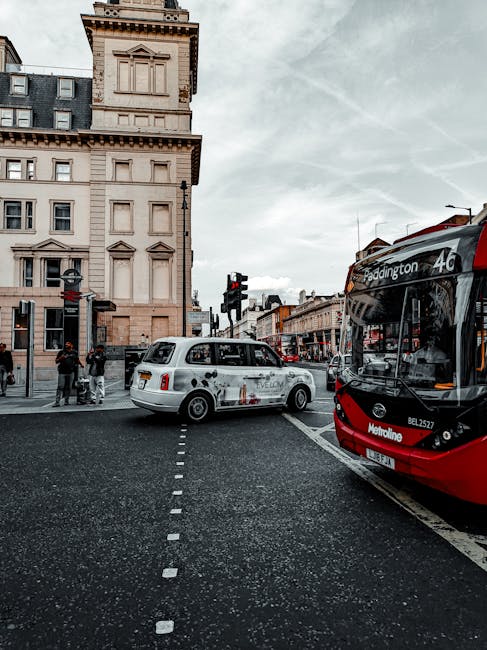
Why Paddington Station Stain Removal Tips for Commuters Matters
Paddington is one of those places where a stain can happen before you have even finished your first sip of coffee. Commuters spill drinks on the move, sit on damp benches, brush against wet umbrellas, or catch a greasy stain from breakfast bought in a hurry. If you live or work in the area, you are probably dealing with stain-prone moments more often than you would like.
Why does fast stain removal matter so much? Because the first few minutes are usually the most forgiving. Fresh marks are often easier to lift than dried ones, especially on clothing, upholstery, and carpet fibres. Let the stain sit, and it can set deeper into the material. That does not mean all is lost. It just means the odds get worse.
There is also the practical side. A stained shirt can affect your confidence at work. A mark on a coat may follow you all day. A coffee splash on a train seat or office chair can spread, transfer, or leave a residue that is much harder to shift later. Nobody wants to spend the evening scrubbing a collar while the kettle boils and the train noise from earlier is still in your ears.
For local commuters, the challenge is not just removing the stain. It is removing it discreetly, quickly, and without damaging the item. That is where sensible technique beats panic every time.
If you are looking after fabrics at home as well, it may also help to explore professional carpet cleaning in Paddington and specialist upholstery cleaning for items that need a deeper reset than a quick spot clean.
How Paddington Station Stain Removal Tips for Commuters Works
The basic idea is straightforward: identify the stain, absorb what you can, dilute or lift the residue carefully, and avoid heat or rubbing unless the fabric can handle it. Most commuter stains fall into a few familiar groups, and each behaves differently.
Food and drink stains such as coffee, tea, juice, sauce, and milk usually contain colour, sugar, or protein. These need prompt treatment because they can spread or oxidise as they dry. Coffee on a wool coat, for example, is not the same as coffee on a cotton shirt.
Oil-based stains from chips, pastries, makeup, hand creams, or transport grease are trickier. Water alone will not lift oil. You usually need an absorbent powder or a mild detergent to break the residue down.
Mud and street grime often look worse while wet. The instinct is to scrub, but that usually pushes dirt deeper into fibres. In many cases, it is better to let mud dry first, then brush and lift it away.
Ink and dye stains from pens, markers, or leaking items need extra care because the pigment can migrate fast. The wrong solvent or too much rubbing can spread the stain into a larger halo. Annoying, yes. Very annoying.
The method also depends on the material. A hard-wearing nylon backpack is not the same as a silk blouse or a wool scarf. The surface matters too. A carpeted office landing, a train seat, and a coat sleeve all need slightly different handling. The same stain can be solved in different ways depending on where it landed.
If you are dealing with repeated marks in a flat or workplace around W2, a useful local reference is this guide to carpet care in W2 flats, which fits neatly alongside the commuter-focused advice here.
Key Benefits and Practical Advantages
The biggest benefit of knowing how to remove stains quickly is obvious: you save clothes, upholstery, and carpets from unnecessary damage. But there are a few deeper advantages worth calling out.
- You avoid permanent marks. Fresh treatment often prevents a stain from setting.
- You save money. A quick rescue can delay or remove the need for replacement or deep cleaning.
- You keep things presentable. That matters if you move between the station, office, meetings, and home in one day.
- You reduce stress. A clear process is much easier than panic and trial-and-error.
- You protect delicate items. Gentle methods are safer than aggressive scrubbing or random household chemicals.
There is a quieter benefit too: habits. Once you know the basics, you start carrying a tissue pack, a stain wipe, or a spare top without much effort. Small change, big difference. A commuter who is prepared does not have a perfect morning every time, but they do recover faster.
For households or shared properties, learning good stain habits also supports cleaner carpets and furniture over time. If that sounds familiar, you might also want to look at deep cleaning in Paddington and spring cleaning support for a more complete refresh when spot cleaning is no longer enough.
Who This Is For and When It Makes Sense
These stain removal tips are for anyone who passes through Paddington Station and wants to stay one step ahead of everyday mess. That includes office workers, shift workers, students, parents with children in tow, travellers with luggage, and anyone who grabs breakfast on the way in because, well, there was no time at home.
It makes most sense in these situations:
- You have a fresh coffee, tea, or lunch spill on clothing.
- A bag, seat, scarf, or coat has picked up grease or grime.
- You need a quick fix before a meeting, interview, or client visit.
- You want to save a favourite garment rather than replacing it.
- You are trying to avoid spreading a stain onto a seat, carpet, or sofa.
It is also useful for landlords, tenants, and office managers who need to keep shared surfaces in decent shape. If a stain is on carpets or furniture in a property, the right response may be part of a wider maintenance plan, not just a one-off wipe. In those cases, a broader service page like services overview can help you see where spot treatment ends and more complete cleaning begins.
Not every stain is a DIY job, though. If the item is delicate, expensive, or already badly set, it may be wiser to stop before you make things worse. No shame in that. Honestly, sometimes the smartest move is not to touch it.
Step-by-Step Guidance
Here is a practical, commuter-friendly method you can use for many common stains. Keep it calm and simple.
1. Act quickly, but do not rush blindly
As soon as you notice the stain, pause for five seconds and identify what it is. Coffee? Grease? Ink? Mud? That quick label helps you choose the right approach. If you guess wrong, you can set the stain or spread it.
2. Blot, never scrub at first
Use a clean tissue, paper towel, or cloth to blot the area gently. The aim is to absorb excess liquid or residue. Rubbing pushes the stain deeper into fibres and can create a larger patch. In a train carriage or station concourse, that is the last thing you want.
3. Remove loose solids carefully
If the stain contains food or mud, lift away any loose material first. A spoon edge, card, or dry tissue can help. Do not grind it in. Just lift what is sitting on top.
4. Test a small hidden area
Before you use any cleaner, test it on an inside seam, hem, or hidden corner. This is especially important for wool, silk, dyed fabric, and delicate upholstery. If colour transfers or the texture changes, stop there.
5. Use the right treatment for the stain type
Coffee or tea: Blot with cool water first. For washable fabric, a small amount of mild liquid detergent can help. Repeat carefully.
Grease or oil: Sprinkle a little absorbent powder if available, let it sit briefly, then brush away and treat with mild detergent.
Ink: Work slowly. Use a stain-safe product designed for ink where possible. Avoid soaking the area.
Mud: Let it dry, then brush off the dried soil before spot cleaning the remaining mark.
Red sauce or berries: Blot with cool water and treat promptly. Heat can help set the colour, so keep things cool at first.
6. Rinse lightly and repeat if needed
For washable items, a little cool water can help lift residue after treatment. Repeat the blot-and-treat cycle rather than using more and more product all at once. Patience pays off here.
7. Dry properly
Air-dry the item where possible. Avoid heat until you are sure the stain is gone. If any mark remains, heat from a tumble dryer or radiator can make it stubbornly permanent. That is one of the most common mistakes, actually.
8. Escalate if the stain stays put
If the stain survives your first round, stop and assess. Sometimes a second gentle treatment helps. Sometimes it needs specialist care. For heavier fabric issues, a professional service such as one-off cleaning in Paddington can be useful when the problem is larger than a quick commuter fix.
Expert Tips for Better Results
The difference between an average result and a good one is often not the product. It is the timing, pressure, and patience.
Keep a tiny stain kit. A compact kit with tissues, a clean cloth, a small stain pen or wipe, and a zip bag can save a surprising amount of hassle. Tuck one into your work bag or laptop sleeve. It sounds minor. It is not minor when you are standing on the platform with a pale shirt and a dark coffee ring.
Always work from the outside in. This helps prevent the stain from spreading into a bigger circle. It is a small thing, but it matters.
Use cool or lukewarm water first. Hot water can set certain stains, especially protein-based ones and coloured sauces. Unless you know the fabric and stain type well, start cooler.
Be conservative with detergents. More product is not always better. Residue can attract dirt later and leave a new problem behind.
Know when to stop. If the stain starts to lighten but not disappear, that is progress. Do not keep attacking it. Overworking fabric can damage the fibres and make the item look tired even after the stain is gone.
Take care with blends and finishes. Modern commuter clothes often mix cotton, polyester, elastane, wool, and specialist coatings. These materials behave differently. A quick treatment on one jacket may be perfect and disastrous on another. Bit annoying, but there it is.
For carpets and upholstery, blotting beats flooding. Too much liquid can drive the stain deeper into the backing or padding. If the mark has reached a sofa or carpet at home, local services like upholstery cleaning Paddington and carpet cleaning Paddington may be the more sensible next step.

Common Mistakes to Avoid
Some stain mistakes are so common they are almost a commuter ritual. Not helpful, of course, but common.
- Rubbing immediately. This is the big one. It often makes the stain larger and harder to remove.
- Using the wrong heat. Ironing or tumble-drying before the stain is out can lock it in.
- Using bleach too casually. Bleach can damage colour, fibres, and finishes. Only use it where appropriate and safe.
- Soaking delicate items. A silk tie or wool scarf does not enjoy a full bath of detergent. Who would?
- Ignoring the fabric label. The care label exists for a reason, even if it looks like tiny legal hieroglyphics.
- Applying multiple products at once. This can create reactions or leave residue that is harder to remove than the original stain.
- Waiting until the end of the day. Fresh stains are much easier to deal with than set-in ones.
If you are unsure, it is usually better to do less rather than more. Gentle first. Then reassess.
Tools, Resources and Recommendations
You do not need a giant cleaning cupboard to handle commuter stains well. A small, sensible setup is usually enough.
| Tool | Best for | Notes |
|---|---|---|
| Clean microfibre cloth | Blotting and gentle lifting | Reusable and effective on most fabrics |
| Paper tissues | Emergency absorption | Useful on the move, though less durable |
| Small stain pen or wipe | Fresh food and drink stains | Check fabric compatibility first |
| Soft brush | Dry mud and loose debris | Use lightly to avoid damage |
| Mild liquid detergent | Washable fabrics | Use sparingly and rinse well |
| Absorbent powder | Grease and oil marks | Works best if given time to sit |
For larger property or lifestyle needs, it can help to know the wider service landscape too. If you are managing a home, rental, or office near Paddington, the pages on domestic cleaning in Paddington, house cleaning, and office cleaning are useful touchpoints when stains become part of a bigger cleaning job.
And if your concern is broader than a single mark, the area-specific page for Paddington carpet cleaning in W2 is worth a look for local service context.
Law, Compliance, Standards, or Best Practice
Stain removal itself is usually a practical housekeeping issue rather than a regulated process, but best practice still matters. In homes, rentals, and workplaces, the safe use of cleaning products should always follow the manufacturer's instructions. That includes dilution guidance, ventilation, and keeping chemicals away from children, pets, or sensitive materials.
If you are cleaning in a shared building, office, or rental property, check any building rules, tenancy terms, or workplace policies before using stronger products. Some surfaces may have fire-resistant, anti-stain, or specialist finishes that react badly to standard cleaners. It is also sensible to keep cleaning records where a property manager or office team is responsible for maintenance, especially if there are repeated incidents.
For trusted service arrangements, it is worth reviewing company information such as insurance and safety, health and safety policy, and terms and conditions before booking any professional cleaning support. That is not glamorous reading, granted, but it helps you understand expectations and protects everyone involved.
In short: use products carefully, follow labels, respect delicate surfaces, and choose the least aggressive method that solves the problem. That is the standard most professionals would be comfortable standing behind.
Options, Methods, or Comparison Table
Different stains need different approaches. Here is a simple comparison to help you choose the right first move.
| Stain Type | Best First Response | Risk if You Get It Wrong | Best For |
|---|---|---|---|
| Coffee or tea | Blot with cool water and mild detergent | Brown staining can set or spread | Clothing, seats, carpet spots |
| Grease or oil | Absorb powder, then detergent | Water alone usually smears it | Coats, bags, upholstery |
| Ink | Use a suitable stain remover carefully | Smudging and colour spreading | Shirts, notebooks, bags |
| Mud | Let dry, brush off, then treat | Scrubbing pushes dirt deeper | Shoes, hems, carpet edges |
| Food sauce | Lift solids, then cool water and detergent | Heat can set colour quickly | Workwear, table linens, coats |
If you want the simplest rule of thumb, here it is: blot for liquids, lift for solids, treat gently, and avoid heat until you are sure.
Case Study or Real-World Example
A typical Paddington commuter morning goes like this. You step off a train just after eight, grab a takeaway coffee, and realise too late that the lid is not as secure as you hoped. A small splash lands on a pale shirt and a jacket cuff. Not a disaster, but not ideal either.
The best response is usually quick and boring, which is exactly what you want. First, blot the coffee with a tissue. Next, dampen a clean cloth with cool water and press gently at the edge of the stain. If the fabric is washable, a tiny amount of mild detergent can be dabbed in. Then blot again. No scrubbing. No heat. No "maybe this stronger spray will sort it out" moment. That urge is understandable, by the way, but it often causes more trouble.
In a similar situation, if the spill hits a car seat, office chair, or sofa rather than clothing, the same logic applies, but the moisture control becomes even more important. That is where a more complete clean may be needed later. For people dealing with a one-off incident after an event, family visit, or especially busy week, end of tenancy cleaning Paddington or a quick quote request can be a sensible way to reset the space properly.
The main lesson? A small stain does not need a big emotional reaction. Deal with it methodically, and it usually behaves much better.
Practical Checklist
Use this before, during, or after a commuter stain incident.
- Identify the stain type: liquid, grease, mud, ink, or food.
- Blot first; do not rub.
- Remove any loose solids gently.
- Check the fabric care label or surface guidance.
- Test cleaners on a hidden spot.
- Use the mildest effective product.
- Keep water cool unless the material calls for otherwise.
- Work from the outside of the stain inward.
- Air-dry and avoid heat until you are certain the stain is gone.
- Stop if the material looks damaged, discoloured, or fragile.
- Escalate to professional help for expensive, delicate, or set-in stains.
Quick reassurance: if you only remember one thing, remember this - gentle first, then reassess. That alone will save a lot of clothes.
Conclusion
Paddington Station stain removal tips for commuters are really about staying calm under pressure. Most stains are not emergencies, even if they feel like one when you are standing near the barrier or heading into a meeting. The right response is usually quick, quiet, and a little more careful than instinct suggests.
Blot first. Match the method to the stain. Avoid heat. Respect the fabric. And if the mark is too large, too delicate, or too stubborn, hand it over to a professional before it becomes a bigger problem than it needed to be.
Paddington life moves fast. That is part of its charm, really. But a small bit of stain know-how helps you keep pace without carrying the morning's mess into the rest of the day.
Get a free quote today and see how much you can save.
If you would like support from a local team, you can also contact the Paddington cleaning team or browse the latest helpful articles on the blog for more practical advice.